
Welcome to the 2024 Lookback, a new series in which we investigate the most iconic moments of the year from the Year of the Dragon. In today’s first instalment, we bring you a landmark breaking moment from the World of Korean cinema and the collaboration of the final film season hosted by the BFI Southbank alongside the 50th anniversary of the Korean Film Archive.
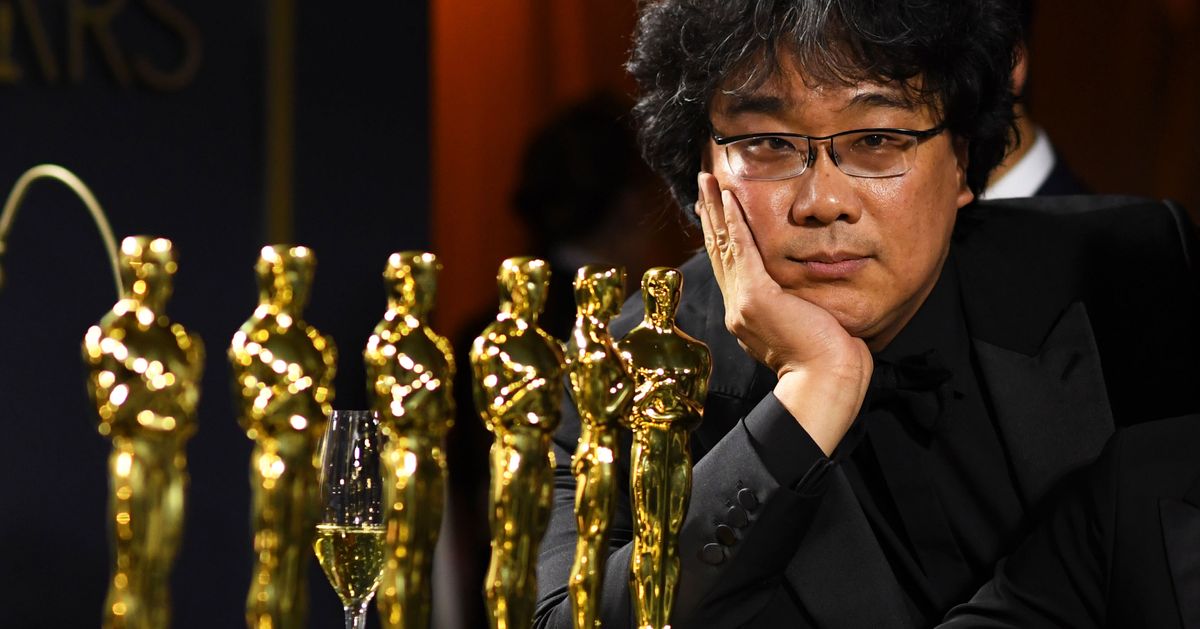
Korean cinema has never shied away from highlighting the struggles and stories of everyday people, working as a vestige of the current ongoings. The efforts of new directors Bong Joon-ho and Park Chan-wook have helped Korean cinema become one of the world’s most reputable film industries; statistics have shown that 43% of respondents across 26 countries considered Korean movies very popular in their region (Statistica, 2024).
This Winters BFI Southbank programme, in collaboration with KOFA’s 50th anniversary (Korean Film Archive), kicked off with Echoes in Time: Korean Films of the Golden Age and New Cinema.
Here at K-pop Bangsong, we had the chance to interview the programme’s curators, Goran Topalovic and Young Jin Eric Choi. In this interview, we revisit classic Korean films from the 50s, 60s and 70s, many of which were once considered lost media, and discuss the importance of preservation of classic Korean cinema and its influence on the New Korean Cinema movement from 1996 to 2003.
Young Jin Eric Choi, a film curator for the Korean Film Archive (KOFA) and Cinematheque KOFA, originally started in the acquisition team “So many Korean films have been lost over the years due to poor preservation, my initial role was to locate lost films scattered around the world and find whatever we could and bring them home” Choi notes. He then transitioned to programming during the pandemic in 2020, where he started to co-curate Korean film retrospectives both domestically and internationally. Today, at the London Korean Film Festival (LKFF), he notes, “I’m particularly proud of the fact that I think about half of the films featured here are restorations conducted by KOFA and so it’s sort of an amazing thing to showcase all this for the BFI. And I think it’s a treat not just for us, but for audiences here.”
Working alongside LKFF, Choi, and Topalovic reflect on the careful selection process in curating films for this anniversary celebration, “This season was curated in tandem with the London Korean Film Festival. We cover classic Korean cinema from the 60s, 70s and 1990s, where they would cover more contemporary films and with a focus on the female voices segment.” Choi elaborates.
This program aims to showcase a diverse range of films from various genres, and eras and highlight filmmakers who have been overlooked. These films not only resonate with audiences but also introduce them to lesser-known works that were considered lost in time. “When it comes to selecting films, it’s always a challenge as a film curator,” says Topalovic. “The idea was really to be able to paint a complete picture of each time period.” Each film features a unique perspective on the historical and socio-economic challenges fought through each period.
Goran Topalovic, a seasoned film curator with over 20 years of experience and co-founder of the New York Asian Film Festival, shares his views on the thematic and stylistic similarities between classic and contemporary cinema and the importance of this showcase. Topalovic says, “If you look at the history of Korean cinema, one of the similarities that all the different time periods have is that there’s always this tendency to try to grapple with contemporary history.” He further explains, “And I think the similarities could also be a good thing. From the standpoint of mixing genres and that type of genre hybridity, that’s been the mainstay of Korean cinema. “I would also add that to catch up with the rest of the world.” Choi expands.

Korean cinema has been home to powerful voices, powerful auteurs and filmmakers. In the two periods that we’re highlighting, the Golden Age and Korean cinema, a key characteristic of both of those is the rise of a new generation of filmmakers that have taken on the task of exploring the cinematic medium through the lens of the genre with a lot of these filmmakers.
Hong Eun Won’s 1962 film, From a Woman Judge, holds historical significance in Korean cinema as it was the second film ever directed by a Korean female filmmaker. The narrative centres around themes of female empowerment, highlighting the challenges faced by a woman aspiring to become a judge within a male-dominated field. Throughout the film, the protagonist grapples with societal expectations of her role as a wife and the disapproval from her husband, who believes her career ambitions threaten their traditional marital relationship.
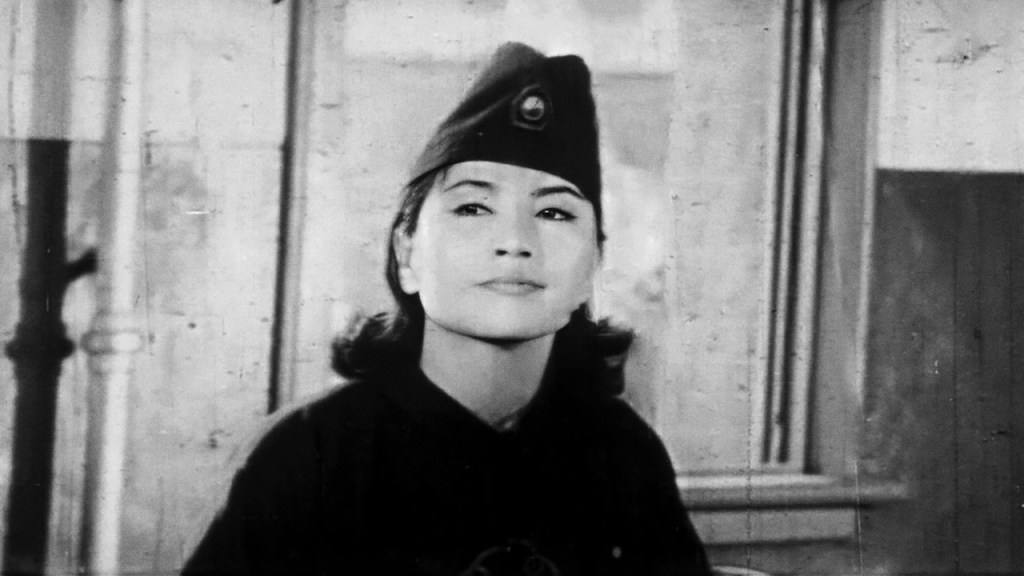
Offering a unique and crucial perspective on women’s issues and their fight for equality and recognition during that era. These personal and professional conflicts showcase the complex nature of the obstacles women faced and continue to with the ongoing relevance of gender issues within Korea today. Choi explains, “It’s also a film that was considered lost for 50 years until it was rediscovered. Unfortunately, it’s in a very terrible state, so the experience of watching the film is very challenging.”
Despite its poor preservation state, the film remains a powerful testament to the talent and vision of director Hong Eun Won. “For those who are interested in female voices within Korean cinema, that’s an essential film. And if we move on to new Korean cinema, we have Yim Soon-rye, one of the most important female filmmakers in Korean film history who directed one of the greatest films ever made, Waikiki Brothers [2001].

Through meticulously searching and curating, 30 films were showcased at this year’s event in collaboration with Women’s Voices, highlighting the diversity of stories within Korean cinema. Choi and Topalovic express their final thoughts on what they hope for the audience to take from this season. “I hope they develop an appreciation for the richness of Korean cinema and that this will get them interested in watching more movies and learning more about them.” Topalovic said.
With over 140 films, a majority set before the 2000s are available to watch for free on the Korean Film Archive YouTube channel. The archive provides an invaluable resource for film enthusiasts, especially those new to it. “We consider this an entry point, a gateway. For a lot more people to discover,” Choi concludes.
A huge thank you to both Goran Topalovic and Young Jin Eric Choi from the BFI Southbank for their time during this interview. For more Korean films on the UK big stage, such as the London East Asia Film Festival (LEAFF) and 20th anniversary London Korean Film Festival later this year make sure you keep up to date via social media or here on the K-pop Bangsong website as and when we have updates.
Meanwhile, for more vintage Korean films, check out the KOFA YouTube channel below.


 K-pop Bangsong