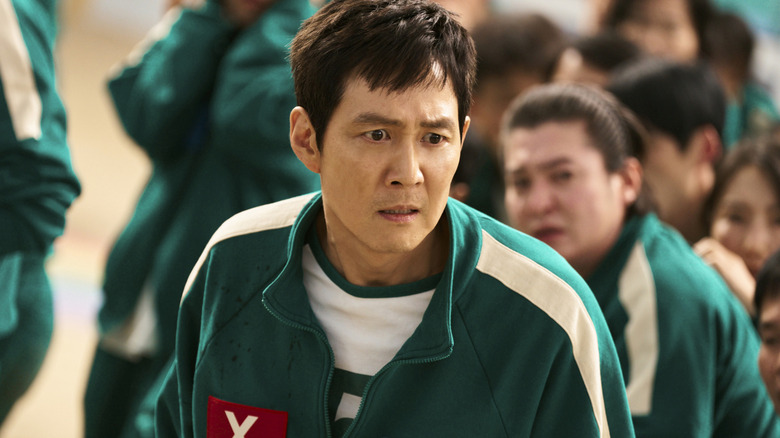
Back in 2021, Squid Game season one was released to Netflix. With a total estimated budget of $21.4 million for season 1, according to Business Insider, the series became Netflix’s first major original success, achieving a 95% critic score and 84% audience score. The show became a cultural sensation, with various spin-offs, each achieving mainstream success, topping the Netflix charts and trending online.
After years of production, the run-up to season 2 has been the most talked-about series on Netflix. With red carpet events, major talk show appearances and major sponsorship/PR stunts, as previously covered in our previous article, season 2 comes in with a lot of hype to live up to.
Previously known for its depiction of violence and gore. Season two of Squid Games does the opposite, focusing on our relationship with the characters we know and love and building strong connections with the new cast as we learn about guards and players.
Seong Gi-hun.
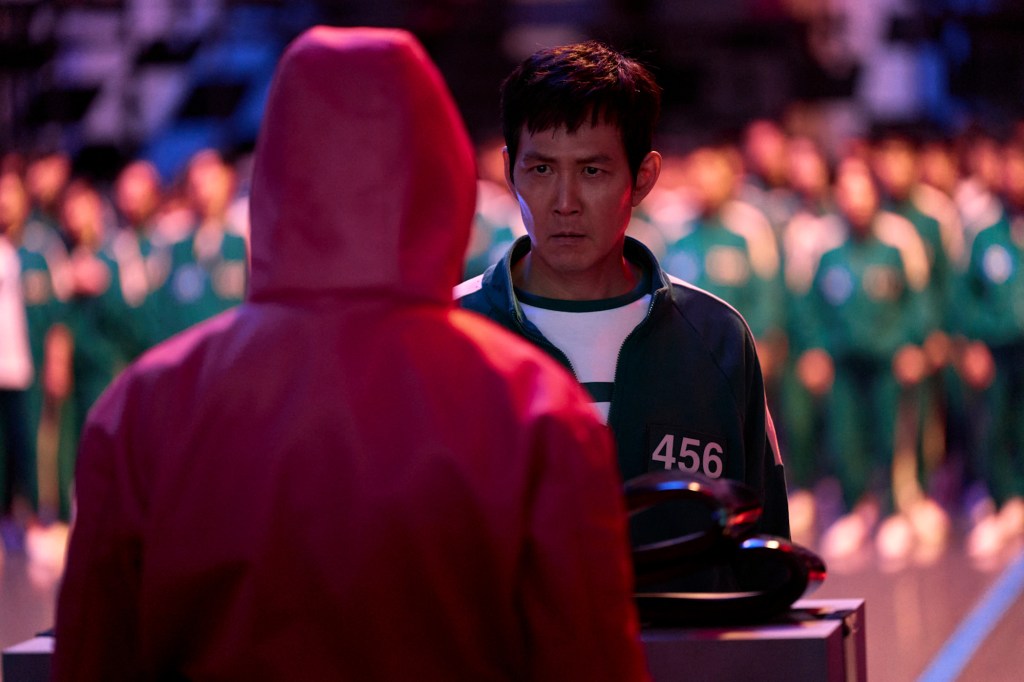
The season one winner, season two, focuses on his mission to fulfil his mission and end the games by any means necessary. Paying off his debt, Gi-hun starts working with the loan sharks to whom he once owed money. It is revealed that they have been searching the Seoul subways for the past two years, hoping to find the Salesman and finally come face to face with the game master.
Finally, after finding the man who recruited him to the games two years earlier, Gi-hun sets out on his plan to find the game master and finally kill him to put an end to the game. However, as plans go wrong, he goes with plan B, and decides to join the game once again.
Joining the game, Gi-hun becomes the group’s outspoken leader as he attempts to save lives, giving tips on the games ahead. However, with the newly implemented rules, getting people to quit isn’t as easy as it once was.
Contestants and social themes.

While season 1 touched on Korea’s social issues, such as migrant workers and systematic academic elitism. This season sees new issues around crypto scams, a growing issue worldwide, especially most recently with Cyrptocrash boss Do Kwon being extradited to the United States, according to reports from the BBC. The season once again shows citizens’ reliance on success and making money, following in the footsteps of more developed Western Countries.
While season 1 focused on the working and business class, season 2 sees our first introduction of celebrities and influencers through the form of Choi Seung-Hyun (T.O.P) as Thanos, a Korean rapper famous for appearing on a Korean battle-rap competition show and contestant Lee Myung-gi, a crypto influencer with the name MG Coin. The two have the biggest feud in the series, with Thanos trying to exact revenge and recoup his losses by any means, and MG Coin is looking to survive and gain money to restart his investment portfolio.
Additionally, this season focuses heavily on military status, with many contestants previously part of the military. The show does a great job at building credibility for the show’s fight scenes as well as highlighting the issues and differences in military class and discharge.
This issue of discharge was covered through the character Hyun-ju, a trans contestant who was forced to leave the military after starting their transition. The series also highlights trans issues in Korea, such as the high medical costs and social stigma from family and friends.
Life of the Guards

In contrast to season 1, season 2 focuses on the guards as we learn more about their stories on the island.
The leader of the games, we find out the reason for Hwang In-ho’s involvement in the games and the financial troubles in the real world. Meanwhile, his inclusion in the game shows the fear and threat that the game is under and Gi-hun’s mission to end the game.
Meanwhile, the addition of guard 11 shows the humanity of those in the pink suits. While recognising her friend, we see how brutal the guards must be in their roles, eliminating no matter what, and the similar recruitment process they go through, much like the contestants.
New adventurous games

Season 1 focused entirely on the shock factors and the games death scenes in the squid game. Season two sees an entirely new list of games, as well as many before. In addition to Ddakji, Seong Gi-hun and the loan sharks are forced into a game of Russian roulette by the Salesman; the use of numbers and calculations provides an early insight into the intelligence needed to survive the challenges and advance.
Into challenge number one, and once again, we are joined by the doll as we are once again invited to play red light, green light. As the experienced player, Gi-hun takes the lead, forming a winning strategy that, in the end, saves numerous lives.
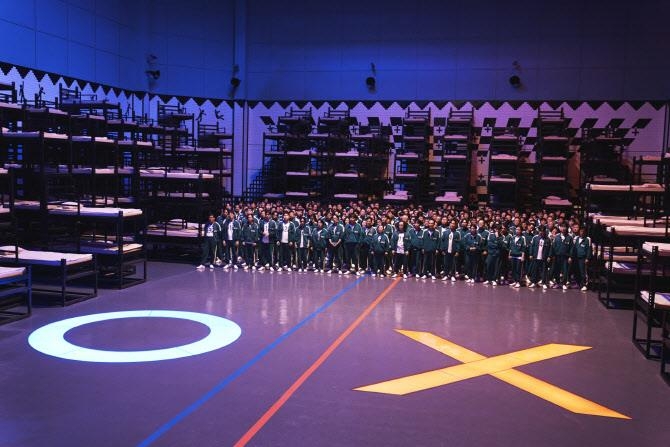
Gi-Hun admits the truth that he once was a winner and has completed the challenges before. However, this leads to unexpected problems as when the game ends, we are introduced to a new rule of the series, which states that after each game, participants can vote to end the process and retain any money earned.
This creates a new paradox where contestants can leave at any time but must value their lives and what’s the chance that they and their friends can advance and survive as they question what is the value of life.
Outside of the games, the series also follows the story of Hwang Jun-ho, the police officer from the first series and his journey in trying to find the island as he, alongside Gi-hun, looks to end the game and rescue his brother from the album.
Only seven episodes long, the season is the perfect length as it sets up for its epic third season. With only four games played, it’s clear the directors wanted to emphasise establishing characters in season 2.
After epic fight scenes and bloodshed, season 3 is set to come as the contest’s epic finale. With Hwang In-ho back in charge, the games have only just begun.


 K-pop Bangsong