
Meet cotoba, Korea’s premiere math rock band, bringing the sounds of the 2000s asian math rock to the world.
Popularised in Japan, Math rock found success in the country’s underground scene in the 1980s. Led by the experimental punk and noise band Ruins, the band quickly became pioneers of math rock in Japan and Asia.
Into the 2000s, Japan would see its second wave of Japanese math rock through toe, with its interpretation of Jazz and soul; Mouse on the Keys, an experimental rock band whose music incorporated aspects of jazz and post-hardcore; and Tricot, an all-female math rock band known for its electronic and punk/rock sound. Paired alongside Taiwanese bands KST and Elephant Gym, the band went on to inspire a whole generation of math rock.
Cotoba is the biggest band inspired by this movement. A four-member band based in South Korea, cotoba made their debut in 2019 with their EP Form Of Tongue. Consisting of bassist Hyerim, guitarist Dafne, drummer Minsuh and vocalist and guitarist DyoN, the band describe their music as “a language unto itself, a primal scream of desires, much like a newborn child entering this chaotic world. Through their raw and electrifying live performances, they articulate the unspoken, connecting on a profound level with their audience.”
K-pop Bangsong had the opportunity to interview cotoba at MU:CON, where the band would perform live again for the third time.

You are once again performing at MU:CON. How is your experience collaborating with professionals internationally, and what do you hope to achieve from the event?
Minsuh: We want to have more foreign tours and more festivals.
Dafne: Many business meetings have been scheduled, but I personally want to enjoy the event and introduce ourselves happily while greeting many people.
Hyerim: This is my first time at a MU:CON, and I hope many people enjoy our music and come to see us.
DyoN: At MU:CON, you can meet many international professionals who all have great energy in their fields. This enthusiastic willingness inspires us even though they and we collaborate directly. Remembering that all works are connected, and everyone in this industry is trying their best, and all of them, including us, influence each other, makes us want to be better musicians.
With only a few math rock bands in Korea, who are your inspirations for your math rock sound?
Minsuh: I got inspired by Japanese and Taiwanese bands such as KST, tricot, and toe.
Dafne: In Korea, a band called Dabda plays unique music based on math rock; their music is interesting.
DyoN: Our biggest inspiration is tricot and toe, and personally, from covet a little. Also, there are really good bands such as Elephant Gym and KST from Taiwan. And I also love Dabda! Especially their song “Flower Tail.” Also, I have to mention that our ‘sound’ is influenced by shoegaze and post-rock, so Kinoko Teikoku and TK from ling to site sigure are our references, too.
You have made significant progress in your Spotify presence as part of the ‘Indie Korea‘ and as the cover of the ‘Cool K’IDs Rock’ playlist. How has this success impacted your success?
Dafne: It has led to an influx of many new listeners, which is greatly appreciated. I have gained strength, and I am looking forward to the musical journey ahead.
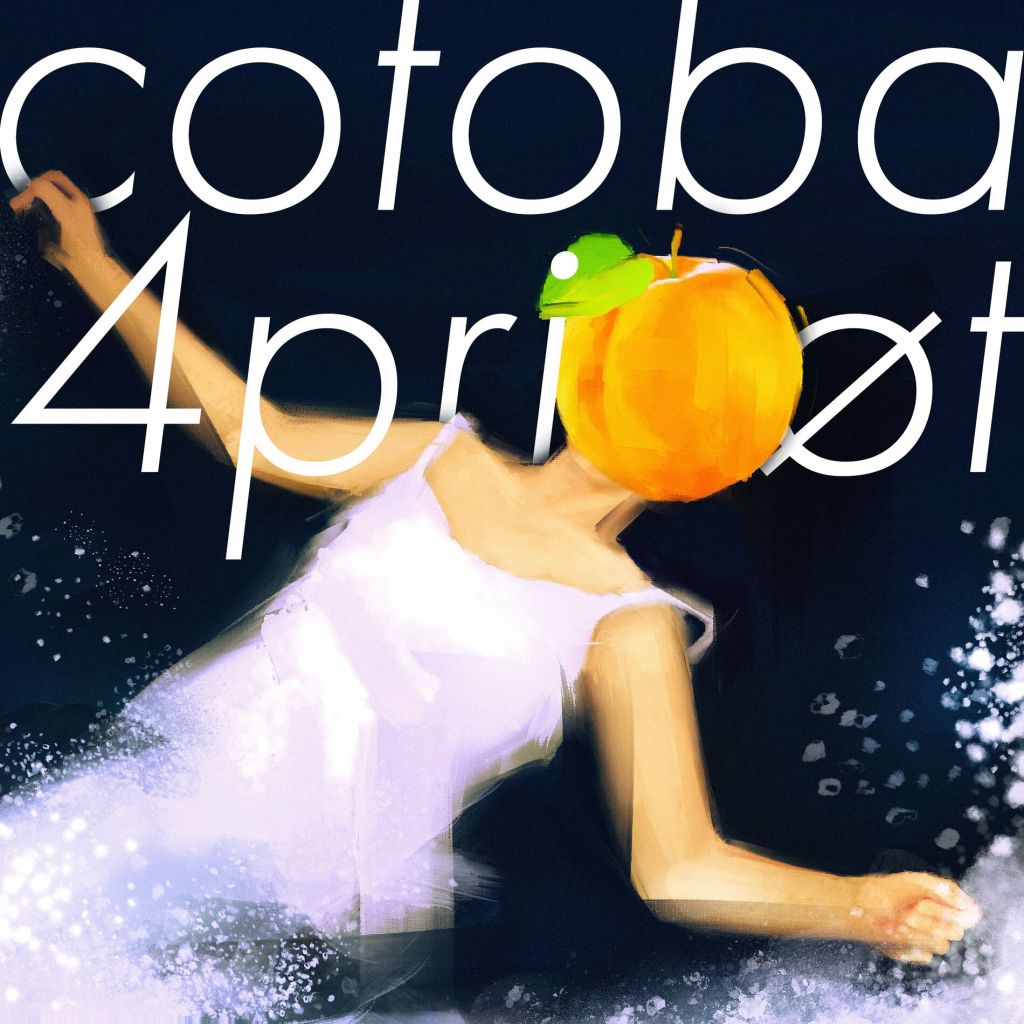
Your releases always consist of bright and vibrant colours. What’s the inspiration behind your album art?
Dafne: Thank you for thinking that it’s bright and lively. In fact, the artwork reveals the longing for brightness and vitality, as well as the longing for a place where there is no darkness, for something full of life.
You have a theme of the end of the world stemming from your 2021 EP ‘Since the World is About to End‘ and your recent singles, which seemingly speak on isolation and the cold. Is this a conscious part of your song making process? And how important is storytelling and the continuation of narrative in your music?
Dafne: I think it is difficult for humanity to grow anymore and that it will self-destruct unless something big happens. Our recent single track, “ice sea“, is not about the end, but surprisingly, it is about love. It is about loving someone trapped in an “ice sea” and wanting to save that person. I tend to make music with a narrative, and it’s because I like sad stories. The story may vary from song to song, but it’s basically a sad characteristic, so it’s consistent overall, and it seems that people who like sad stories like our music.
DyoN: Some musicians can make songs not based on themselves, but we can only make songs based on the true self. Because we think this world might end soon, we made an album about it. Because we are sad people (laugh), our song is mostly about depression and isolation. It is natural; our songs are like a mirror of ourselves, which may be why we are trying to be better people. I haven’t considered the significance of the continuation of narrative in our music, but it just happened because my thoughts have always been in the same line. All ideas between “Since the World is About to End” and “isolation” and “away home” are connected.
In a 2020 interview with the Bandwagon, you said that math rock was ‘almost unheard of in South Korea.’ Do you feel the scene has progressed? And what have been the changes in the indie scene since then?
Minsuh: With the end of the pandemic, there are more opportunities for Korean bands to go out and perform abroad, and many foreign bands perform in Korea, so diversity has increased a little.
Dafne: The weight of math rock has not changed significantly since then. Various indie music bands are appearing, but pop-rock with unique visuals is the trend.
You toured the UK last year as part of your European tour. How was that experience in the UK and Europe? And how do those performances differ from your concerts in Asia?
Minsuh: I had so much fun touring the UK and Europe. The biggest difference was the way they enjoyed our music. I was surprised to see them dance to our complicated music as well.
Dafne: The performances in Europe were very good. It was good to meet various types of audiences in different countries. Asian and European audiences felt that they had really different tendencies. But it doesn’t mean which one is better. Rather, it was touching that everyone, regardless of country and race, enjoyed our music in their own way. It felt like everyone was together through music.
Hyerim: The fruit was delicious, and overall, it was great. I think the difference between concerts in the UK, Europe and Asia is the way the audience enjoys our live performances.
DyoN: For me, body movement is different between Asian and UK/EU audiences. UK/EU people tend to dance more during our show, which was great to perform in front of them! It made me dance, too, haha.
You were recently announced as performing at the Korea Spotlight Mexico 2024 alongside stars Rocky and Zior Park. How excited are you to perform in Mexico, and how has the reception been outside of South Korea?
Minsuh: We knew that Mexican fans were waiting for us for a very long time, so we’re happy to finally meet them.
Dafne: I’m looking forward to the performance in Mexico. Personally, I’ve never been to the Americas, so I feel like it’s an unknown world. Wasn’t Columbus like that? I want to go to a lot of Mexican street cafes.
Hyerim: Mexico is not an easy country to visit from Korea, so I am very happy that this opportunity has come about. Una cerveza por favor.
DyoN: We do not exactly know our reception outside of Korea, but the certain thing is, there are people waiting for us. It is enough to give us the courage to go there. Get ready to have cotoba, Mexico!
You have performed at various festivals and international stages, such as Burn It Down Festival, Takao Rock Festival and Pentaport Rock Festival. But what festival would you most like to perform at?
Minsuh: Fuji Rock festival.
Hyerim: Fuji rock festival.
Dafne: I want to perform at European town or city festivals because I want to experience their unique food and culture.
DyoN: Fuji Rock festival. We made a promise with Hosomi from Ellegarden. He said we will meet on the Fuji Rock stage in 2 years. He is our rock star. He gave us a promise. We must keep it. Wait for us HOSOMI!!!!!!!!!!
You mentioned in your previous interview that some artists you would like to collaborate with are Peggy Gou, Kiara and De De Mouse. Is this still the same, or are there any new artists you would like to collaborate with?
Minsuh: Tricot.
Dafne: Now, I want to collaborate with Asian indie music-based musicians. If possible, I would like to see such music in live performances.
DyoN: I want to collaborate with St. Vincent. I bought her Seoul show ticket and will dive into the stage to tell her how much I love her. (It won’t happen, though, because I’m an introvert.)
What is next for cotoba?
Minsuh: We have a few Japanese shows, including Korea Spotlight Tokyo and the Minami Wheel festival. We also have one Taiwan festival and then a Mexico tour. We want to go on an America and Europe tour next year and release more songs and albums.
Hyerim: Having a variety of people listen to our music and being on stage as a headliner at a festival.
Dafne: cotoba is the present itself, and the future is unknown. Rather than pursuing new things, I want to create a work by weaving the present.
DyoN: Eating various foods and meeting beautiful cats while breathing together with our fans and new listeners worldwide.
With the Korean indie scene still growing, cotoba is at the centre point of math rock in South Korea. With more international stages planned, the band hopes to further their legacy and become Asia’s next premiere math rock band.


 K-pop Bangsong